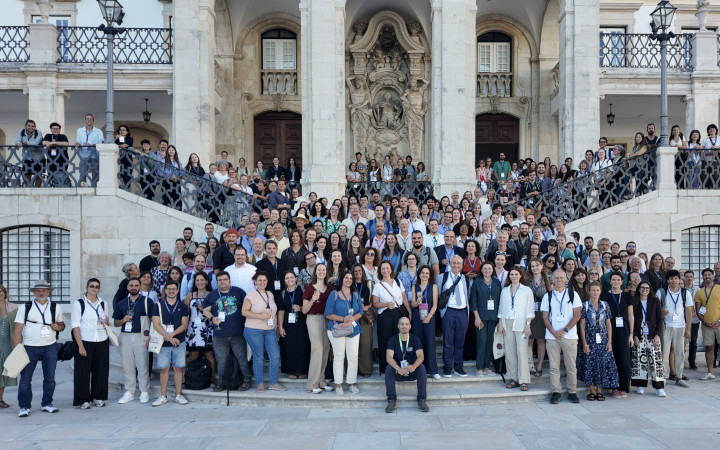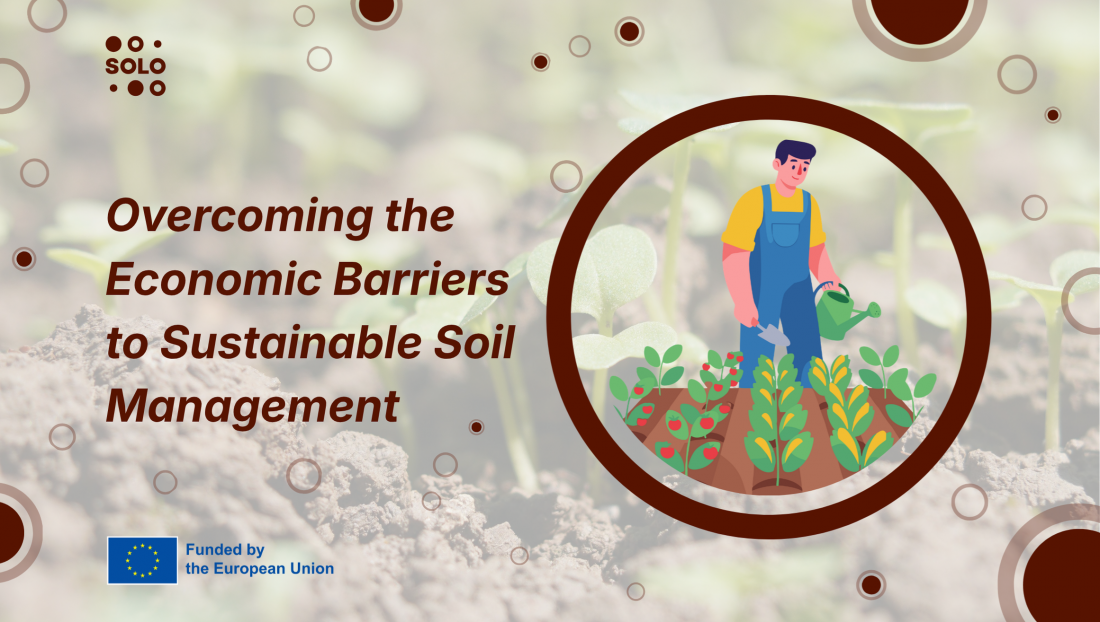
Our partner from Spain, Leitat, hosted its last Soil Week event, titled Sustainable Soil Management. The session, held on 24 April, brought together 12 participants, including researchers, students, and representatives from both the public and private sectors, to discuss the structural barriers that prevent the widespread adoption of sustainable land practices.
A major focus of the event was the negative impact of the current economic model on food production and land sealing. Attendees suggested that structural shifts, including economic degrowth, might be necessary to effectively protect soil health. During the debate, it was also highlighted that the social value of farming is frequently ignored in land management. Participants noted that the cultural role of farmers needs to be better integrated into these initiatives and that the farming community itself needs to become more diverse. To support this diversification, the introduction of new financial incentives was recommended to encourage smaller, family-run farms over large companies.
When discussing local environmental issues, the experts identified over-fertilisation as a massive concern, particularly in vulnerable areas that have lost soil carbon due to intensive farming. In the Catalonia region, pig agro-farming, slurry overuse, and severe soil erosion were mentioned as critical threats. These practices put Catalan soils at great risk when combined with climate pressures like drought. To combat this, the experts called for clearer and more coherent laws that actively promote sustainable methods while offering financial incentives to help farmers make the transition.
Another key topic was the gap between scientific research and farming. The participants emphasised that the viewpoints of land managers are too often left out of research projects, with small-scale producers being particularly underrepresented. Involving more farmers in such debates and ensuring they remain engaged long-term is another significant challenge.
The event concluded with a reflection on how individual and collective actions can compete against the practices of large-scale corporations, which are seen as less committed to sustainability. While society and researchers are putting a lot of effort into soil protection, structural barriers from the dominant economic model continue to slow down progress. Ultimately, questions about how to improve food production, change public consumption habits, and hold big companies accountable remained open, leaving a need for further strategies on how to balance carbon storage, water retention, and biodiversity with agricultural production.