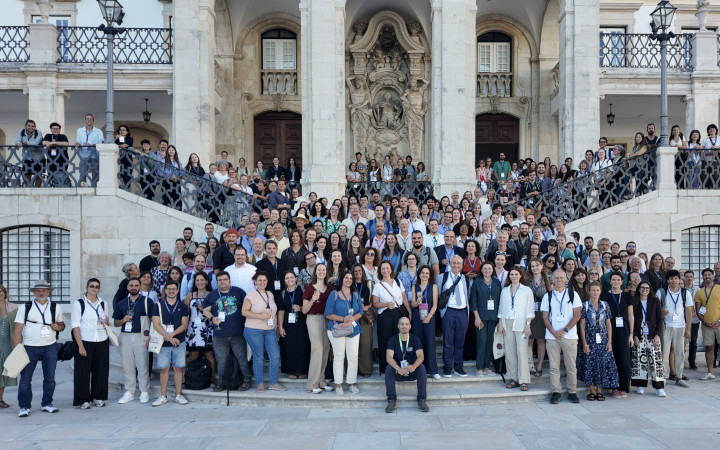
The Leibniz Centre for Agricultural Landscape Research (ZALF) hosted its Soil Week 2026 workshop to validate the research and innovation roadmap for the European Soil Mission. The event was held on 23 April and brought together a group of soil health experts whose aim was to pinpoint the institutional and technical barriers preventing Germany from achieving healthy soils.
The lack of standardised methods for monitoring soil biodiversity and ecosystem functions was a recurring theme during the discussion. Even though Germany possesses strong research capacities, the current fragmentation of data makes it difficult to coordinate actions at the national or EU levels. The participants stressed the fact that soil organic carbon monitoring remains inconsistent, and there is a significant lack of understanding regarding Germany’s soil carbon footprint caused by imports from outside Europe. Therefore, there was a call for harmonised indicators and the creation of an integrated national soil data system that provides a baseline for policymakers.
It was noted that scientific knowledge often fails to reach the practitioners. The latter do require stronger financial incentives and better advisory services to adopt sustainable practices. Subsequently, it was concluded that soil health governance must place stakeholders at the center to ensure that research results are translated into effective solutions. Another challenge remains public awareness: without a better understanding of the economic value of soil, it is difficult to build the support that is needed for long-term stewardship.
Another important observation was that soil biodiversity and carbon storage must be systematically embedded in agricultural policies in order to become national priorities. On the research side, it is recommended to move towards applied science that identifies management practices that resonate with Germany’s diverse landscapes.
What should be the next steps?
Aligning soil monitoring methods and data governance across institutions, strengthening advisory services for farmers, and mainstreaming soil health into all levels of environmental and agricultural policy should be prioritised. By building integrated data systems and focusing on field-based research, Germany can ensure that scientific innovation leads to measurable improvements in soil health and climate resilience.