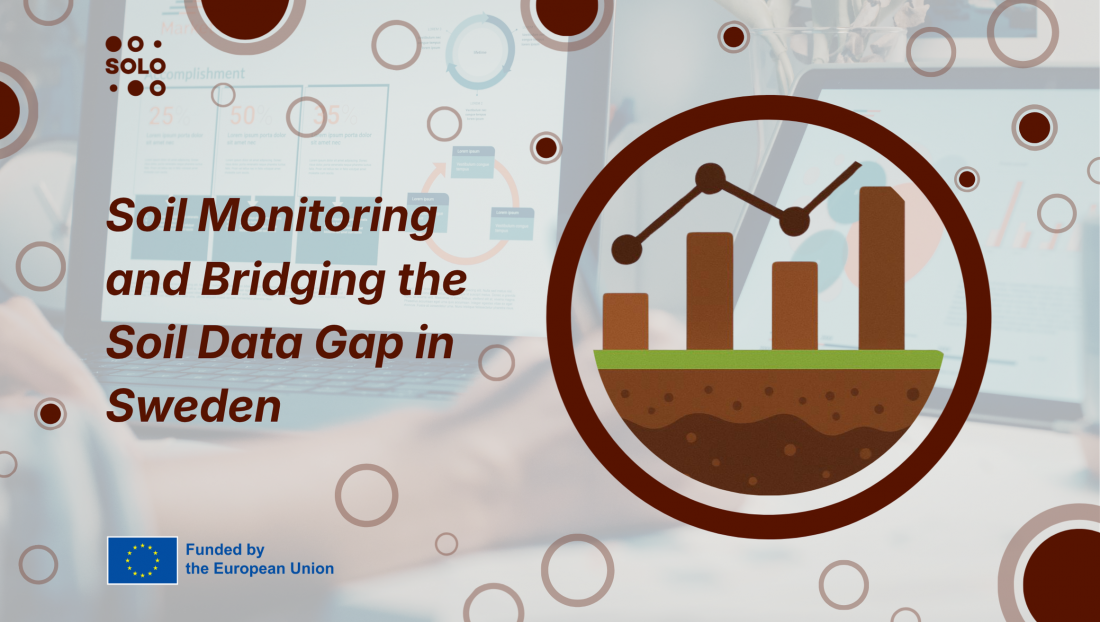
Lund University held its last 2026 Soil Week event online on April 22. The session was focused on soil monitoring in Sweden and brought together a group of over 30 participants, including representatives from the Swedish Environmental Protection Agency, the Board of Agriculture, and the Federation of Swedish Farmers. The discussion explicitly addressed the challenges of coordinating and communicating soil data across the country.
A recurring theme throughout the event was how fragmented the soil data currently is. While Sweden has several national and European monitoring programs, they are hosted by different institutions and involve different sampling methods. Participants stressed that improved coordination of this data is essential because researchers and policymakers struggle to know what data exists or how to access it effectively without a centralised information hub.
During the event is was also highlighted that there are significant gaps in where and what is monitored. Currently, Swedish soil monitoring covers forests and arable land quite well, but urban areas and mountain regions are generally overlooked. Experts noted that monitoring should be based on specific risks, not only on land use. This calls for increased focus on polluted areas, such as mining districts, as well as on the study of soil biodiversity to get a fuller picture of land health.
Conclusions and next steps
Soil monitoring can only have a real impact if the findings are communicated clearly to policymakers, and the lack of centralised communication tools was raised as a major issue. Therefore, to ensure that the scientific community can provide the necessary evidence to support better land-use planning and environmental policy, the way soil data is shared and translated for non-experts must be improved.