Counting the people in a room is easy. Knowing whether a week of conversation changed a decision, shifted a practice, or reached a farmer three years later is much harder. That question was asked out loud during the Soils for Europe Conference, and it is the right lens through which to look back at the week.
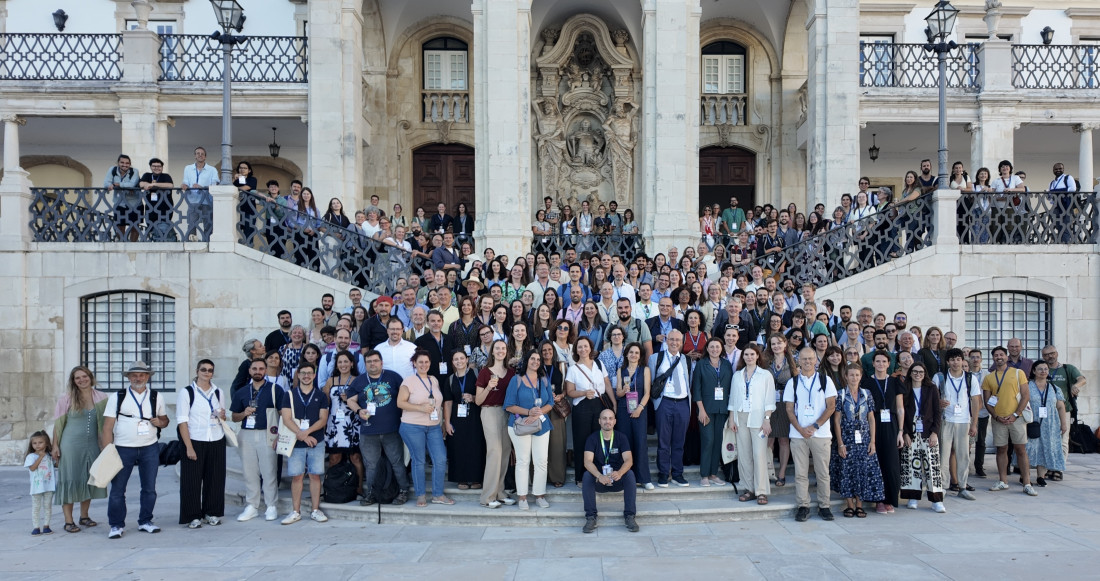
From 7 to 11 September 2026, the University of Coimbra hosted the conference, organised by SOLO together with more than 30 other EU-funded projects. About 500 participants came, but the more useful measure is what was left with them: a newly launched European data infrastructure, a pilot framework for tracking project impact, recommendations heading into an active policy negotiation, and nine research roadmaps that had been stress-tested by the people who will have to use them.
With so many sessions across the program, we would like to highlight a few here, but also thank all organisers, speakers and participants for their contributions, which together made the conference such an impactful and inspiring event.
Tools that will last
Several of the week's outputs were not presentations but things that now exist and can be used.
The workshop on soil data stewardship hosted the official launch of the Soil Data Catalogue, a key Mission Soil output developed by SoilWise in collaboration with the EU Soil Observatory. It is the gateway for connecting soil data across Europe, and participants left with a step-by-step route for publishing their own datasets into it. Panos Panagos introduced the wider data and knowledge cluster, Radu Giurgiu demonstrated the Catalogue in practice, and Luigi Cesarini closed with the cluster's next steps. A dispersed landscape of local datasets moved measurably closer to becoming a shared European resource.
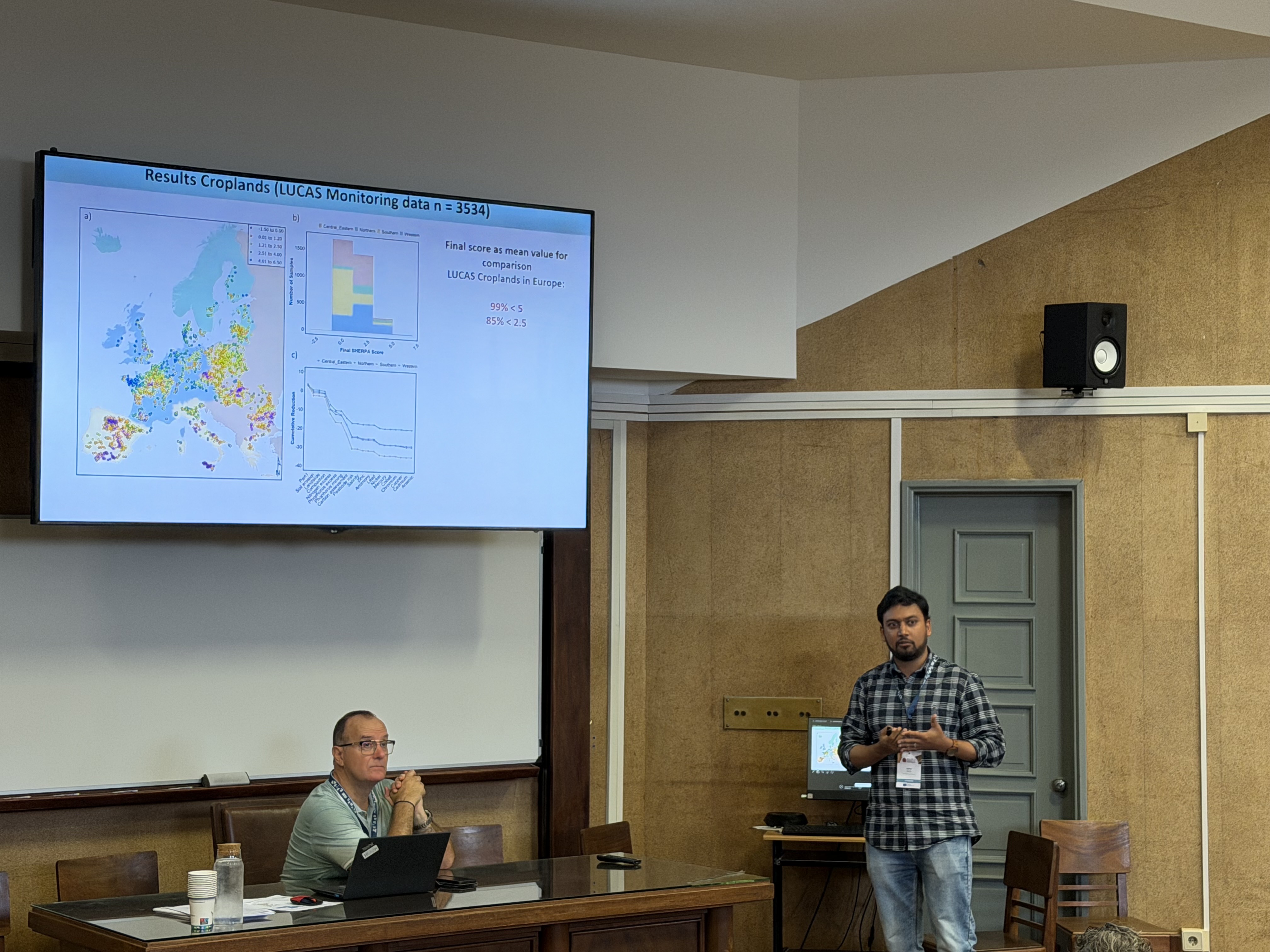
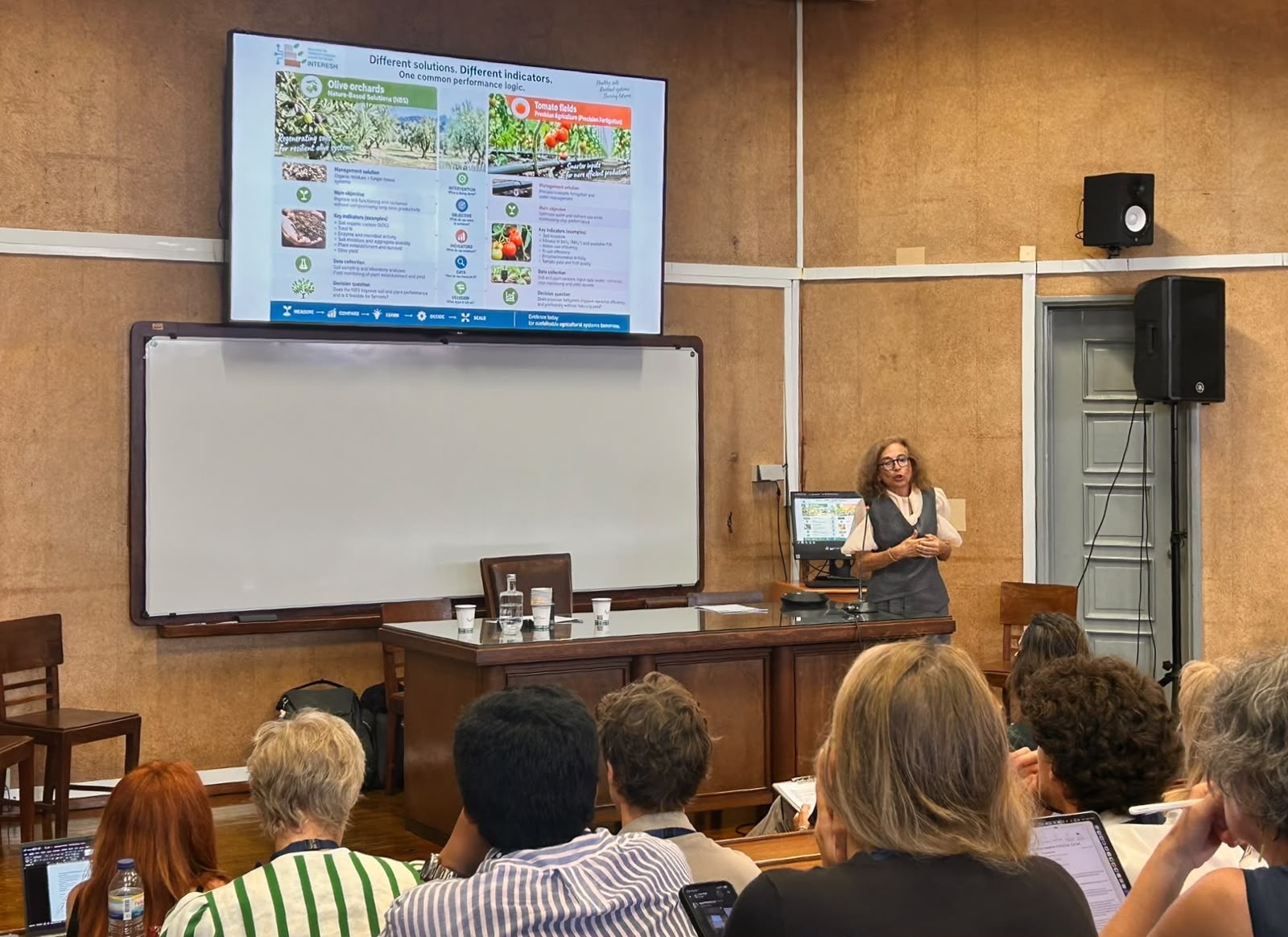
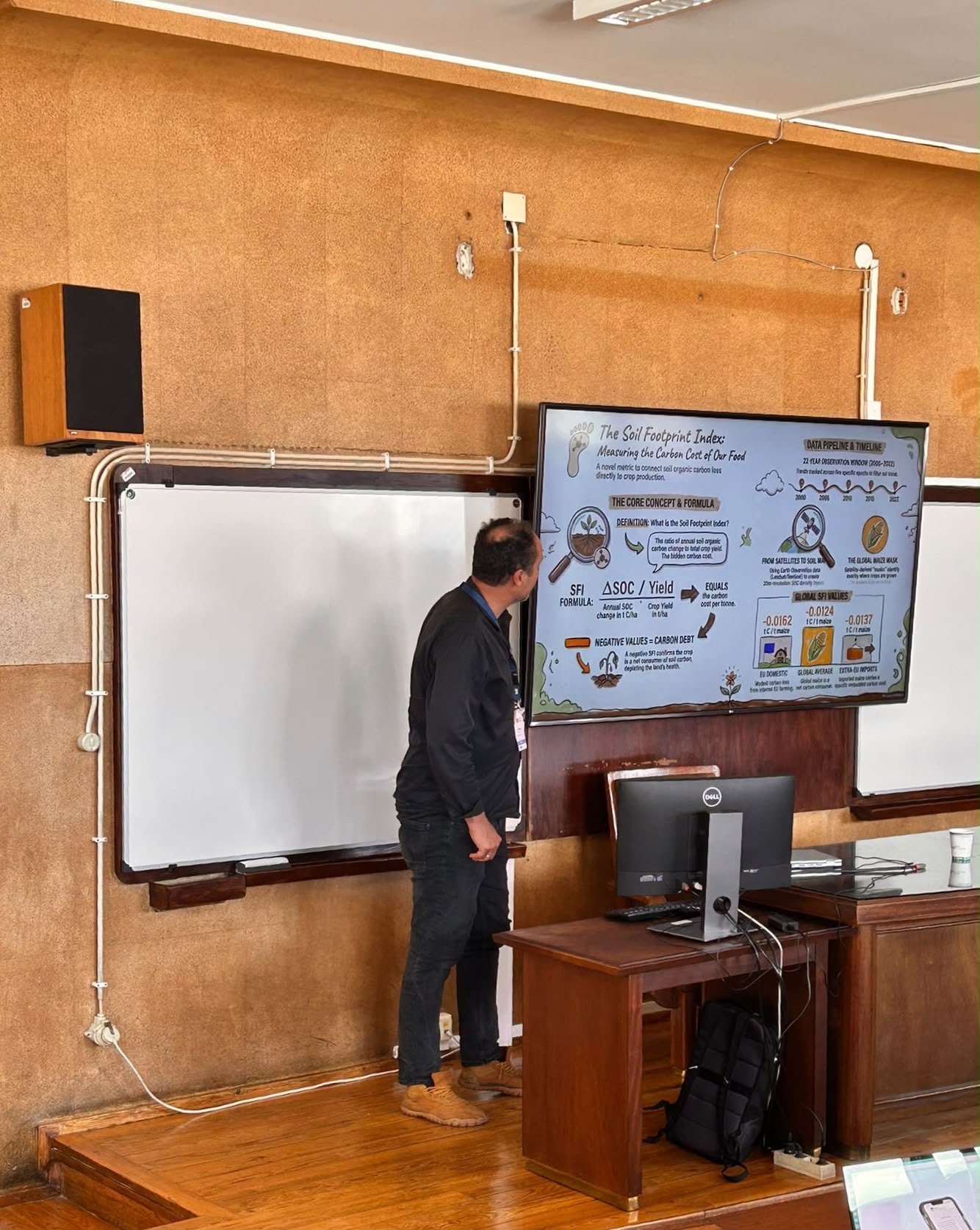
Cenk Dönmez (ZALF) added to that infrastructure with an open-access metadata platform covering around 700 long-term field experiments worldwide, turning decades of scattered legacy trials into something searchable. Cristina Cruz (cE3c, University of Lisboa) presented the INTERESH Handbook on performance metrics, a stepwise methodology for defining soil health indicators already being applied in Apulian olive orchards and tomato production. And Tomislav Hengl (OpenGeoHub Foundation) introduced a Soil Footprint Index that expresses the soil carbon cost of every tonne of crop produced, computed globally for maize across 1.34 million cropland pixels in 111 countries.
SOLO: measuring the impact of IMPACT work
For SOLO, the conference was a test of its own outputs rather than a showcase of them.
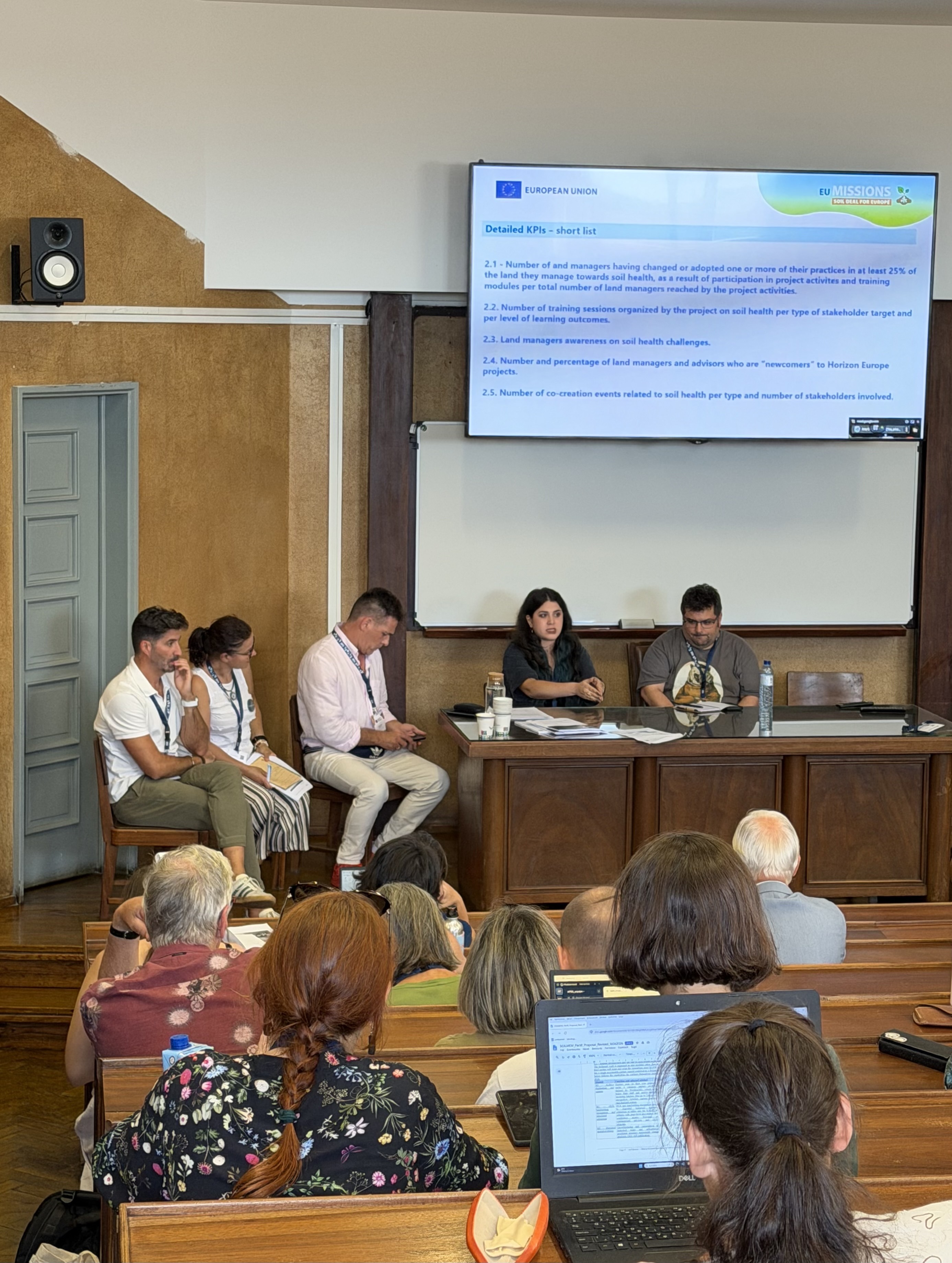
In Enhancing soil research and innovation for IMPACT, moderated by Teresa Pinto-Correia (University of Évora), SOLO and the Mission Soil Board put a pilot set of Key Performance Indicators (KPIs) in front of the people they are designed for. The problem they address is a real one across the Mission: short-term contributions are readily measurable, while the systemic changes that actually matter - raising awareness, influencing decisions, driving uptake of sustainable practice - tend to slip through the reporting net. The session examined how well the KPIs capture those higher-level contributions, where the gaps sit, and how Mission Soil projects could realistically adopt them.
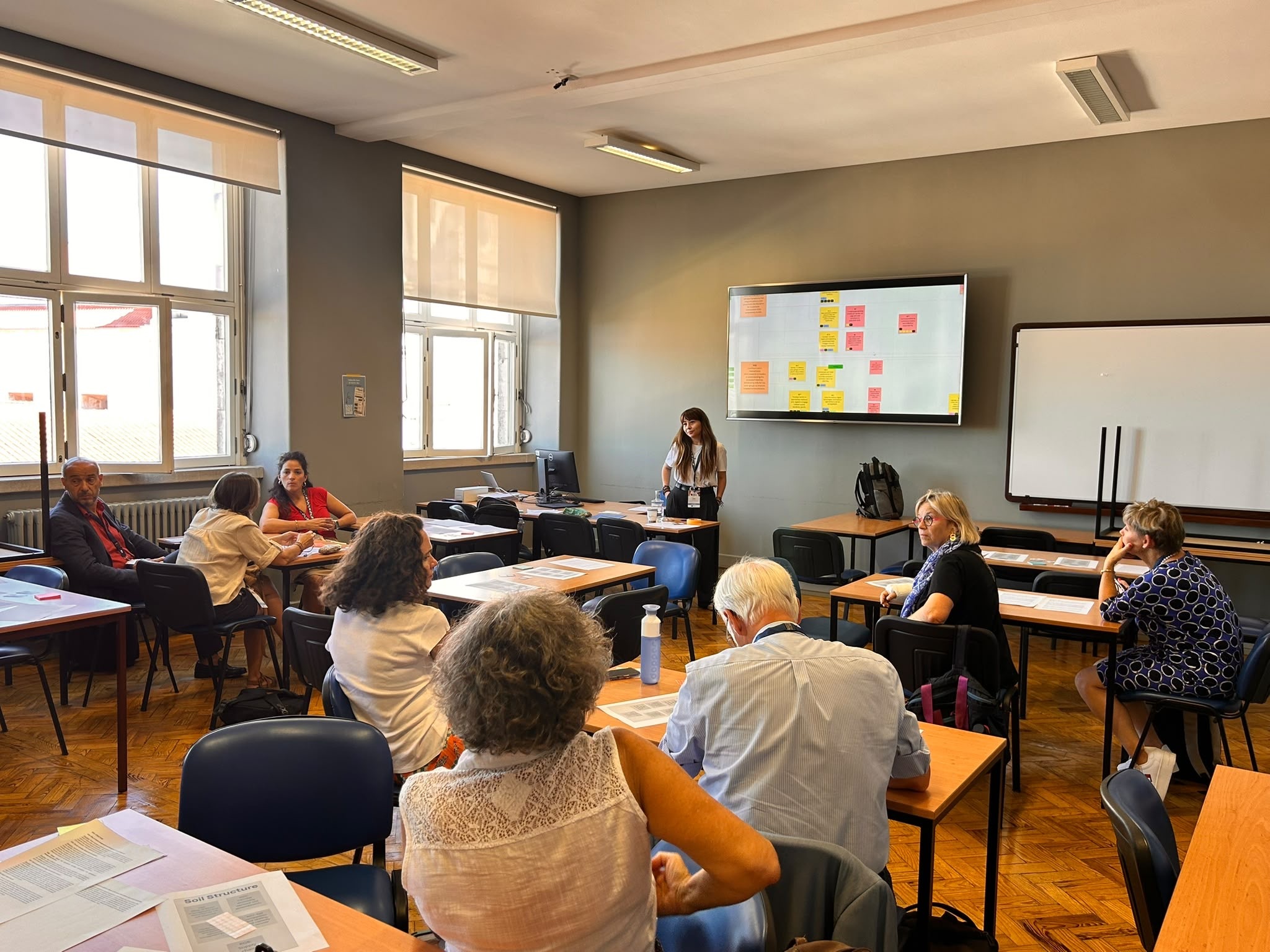
The same willingness to be challenged shaped Mission Soil: co-creating the road ahead. SOLO discussed its nine transdisciplinary roadmaps, covering the eight Soil Mission objectives plus an additional roadmap on nature conservation of soil biodiversity, and invited the participants to share their perspectives and ideas. Groups formed around interactive boards and worked through three years of accumulated knowledge gaps, actions and bottlenecks, with Sahsil Enríquez (LEITAT) moderating. The feedback gathered will be folded back into roadmaps intended to nurture the European R&I work plan and join the pathway towards healthier soils in Europe.
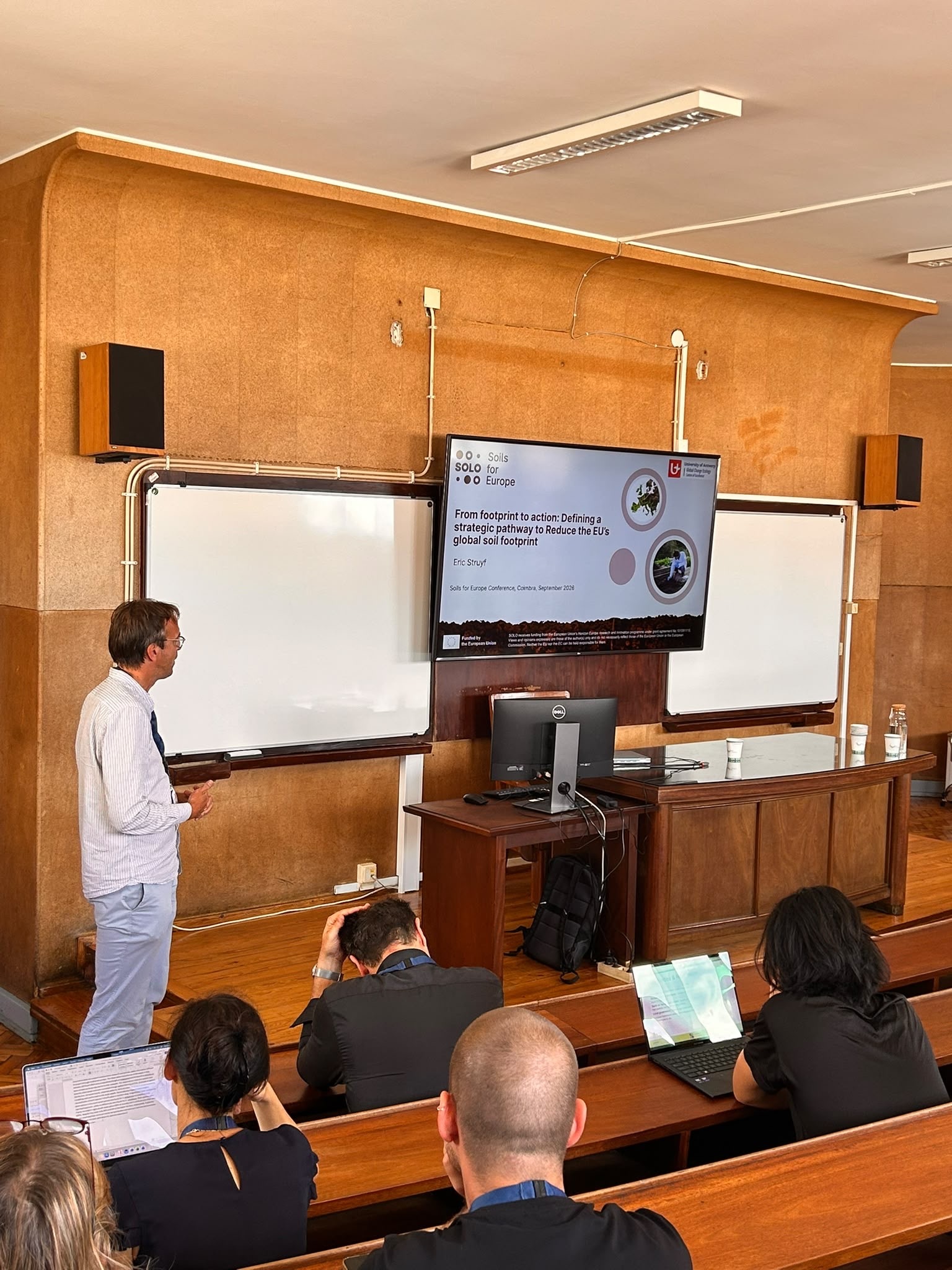
SOLO's Think Tank on EU Soil Footprint delivered quite the ambitious proposal. Eric Struyf (University of Antwerp) set out a pathway from footprint to action built on hotspot identification, a standardised but regionally adaptable assessment framework, and integration with existing EU policy instruments. The argument behind it deserves repeating: European policy increasingly protects European soils, while the external impacts of European consumption remain largely unquantified and ungoverned, quietly externalising degradation to regions with less capacity to absorb it.
Shaping policy while it is still being negotiated
Impact depends on timing, and the conference landed in a live window. Negotiations on the Common Agricultural Policy for 2028 to 2034 are ongoing; the Soil Monitoring and Resilience Directive is moving towards implementation, while up to 70 percent of EU soils remain unhealthy.
SOLO brought that debate into the room with Finding common ground: how can the Common Agricultural Policy provide roots for soil health?, organised with PAN Europe and ZALF. Marianna Paolino (European Commission, DG AGRI) opened on the CAP's role in soil health and what the post-2027 CAP could deliver, and Fabiana Freitas (Polytechnic University of Viseu) followed on how it should support farmers in soil health restoration. Both then joined farmer Bruno Neves (IPMWORKS) and Francisca Viveiros (CONSULAI) for a panel moderated by Kristine De Schamphelaere (Pan Europe) and Shaswati Chowdhury (ZALF). The session produced input for concrete recommendations on how the CAP can serve the Soil Mission objectives, written while the policy is still being negotiated rather than after.
On the final day, the Soil Pollution and Remediation Cluster met in person with the Indicators and Monitoring Cluster to work through implementation of the Soil Monitoring Law, from prioritising contaminants to building risk-based frameworks for contamination assessment. Less visible than a plenary, and arguably more consequential.
Impact that reaches past the research community
The conference also worked hard at the part of impact that reporting rarely captures.
The Soilathon, hosted by SoilTribes and guided by Rita Sousa and Nuno Camarneiro (INOVA+), put citizens alongside experts to co-create solutions to a local environmental challenge. The SPADES workshop drew urban planners, spatial designers and policymakers into scenario-based group work on how soil can earn a place in planning decisions, drawing on 17 pilots across Europe. An Iberian round table held in Portuguese and Spanish gathered farmers and stakeholder associations from the Living Labs of LivingSoiLL and Trails4Soil, bringing local practitioners into an international venue in their own languages.
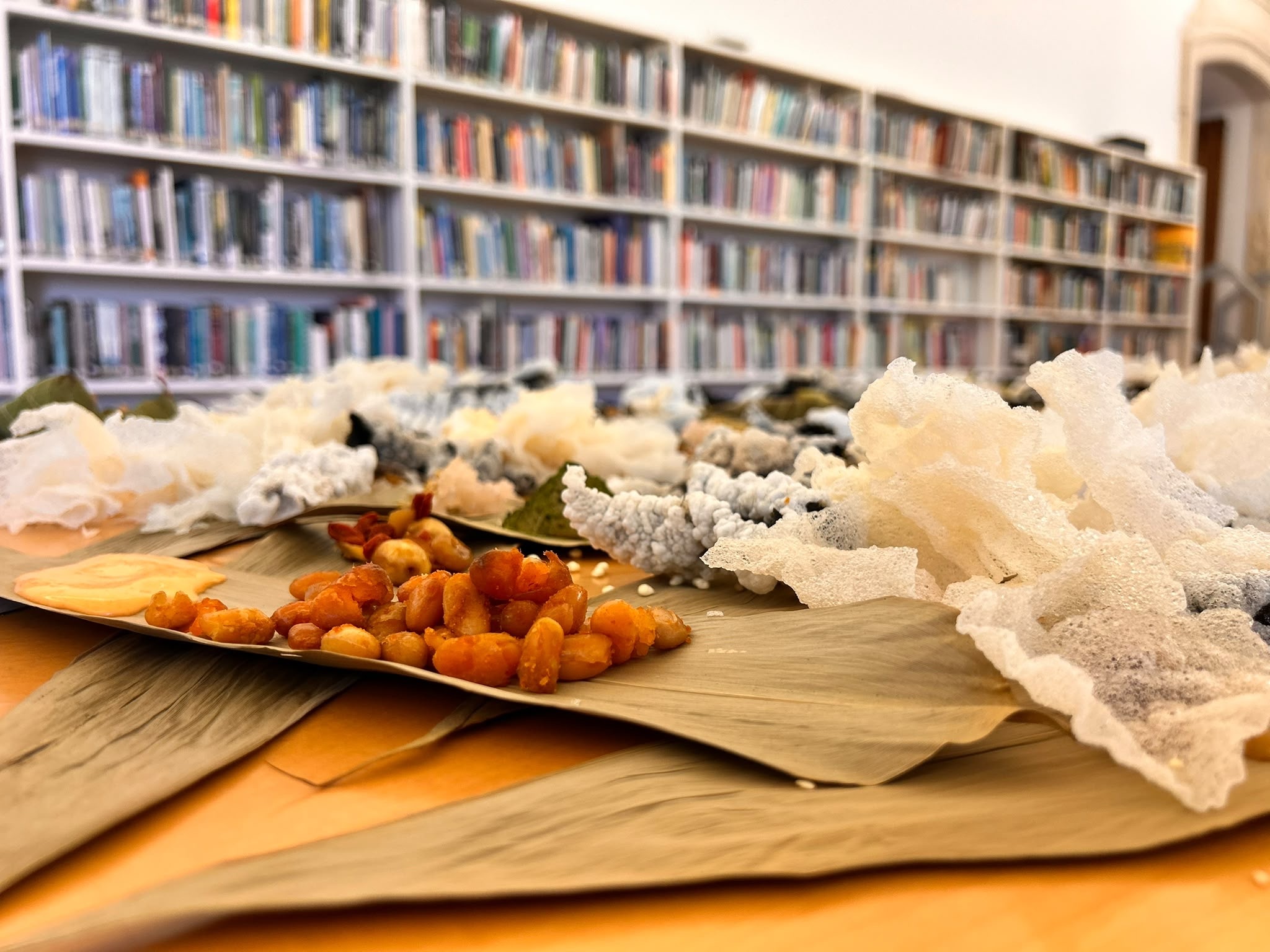
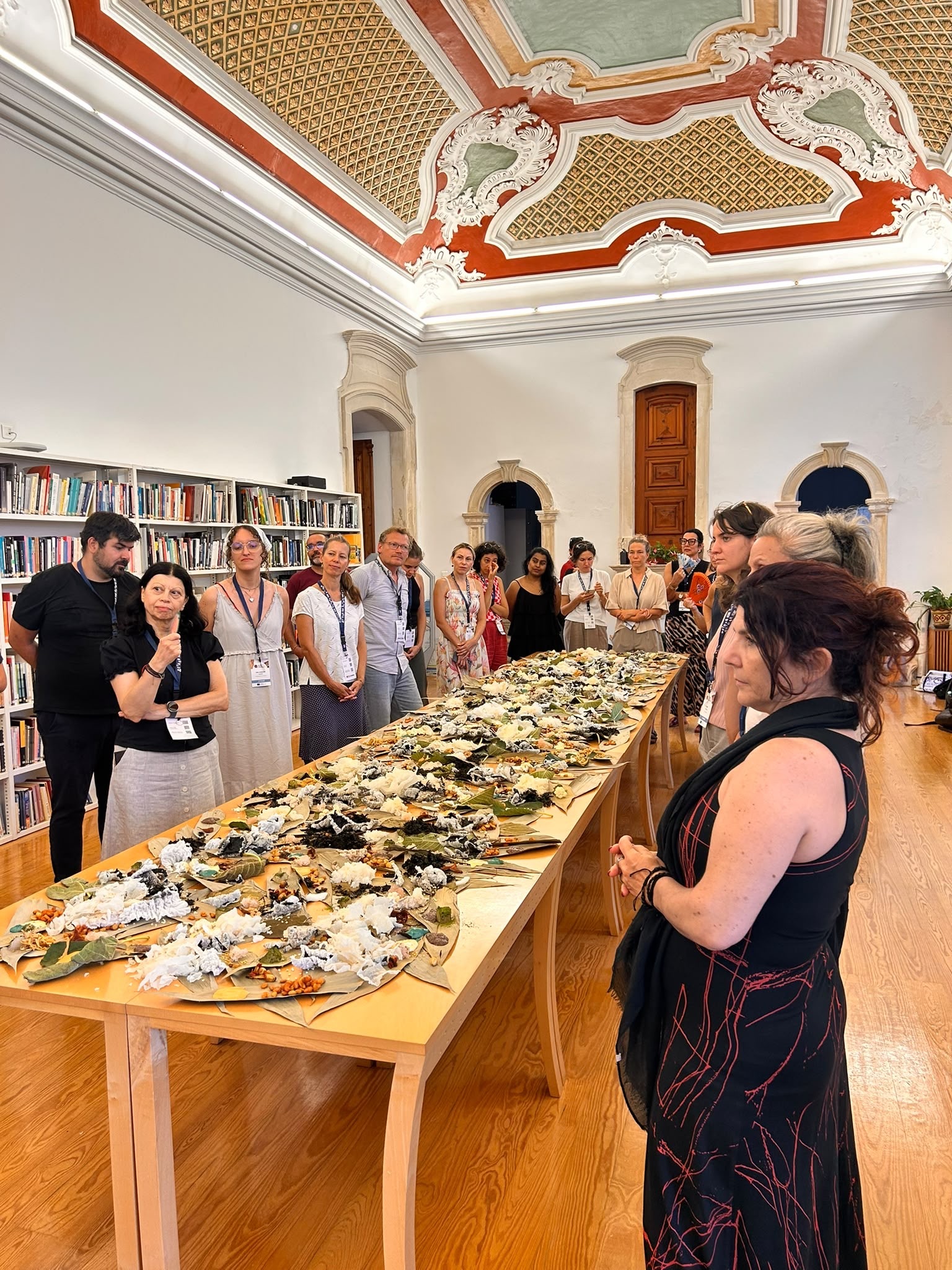
And The Soil Banquet seated 40 participants around a communal table to build and taste an edible landscape, sourced locally around Coimbra. Developed within the Living Soils Lab, an initiative led by Umarell and born in the Paris banlieues, and guided by associate artist Joanna Wong, it translated soil structure, function and cycles into ingredients and gesture. A reminder that soil literacy is built through experience as much as through evidence.
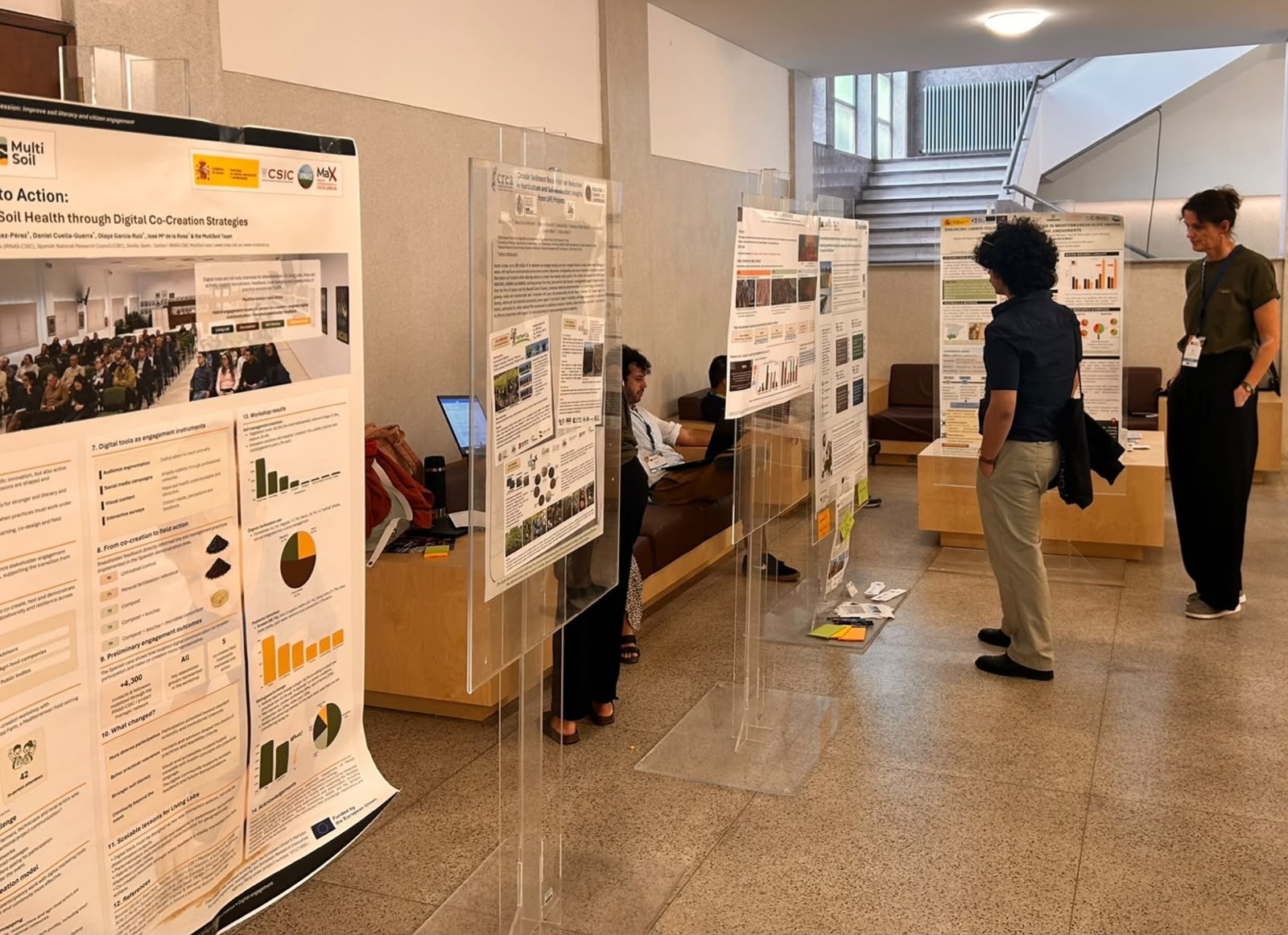
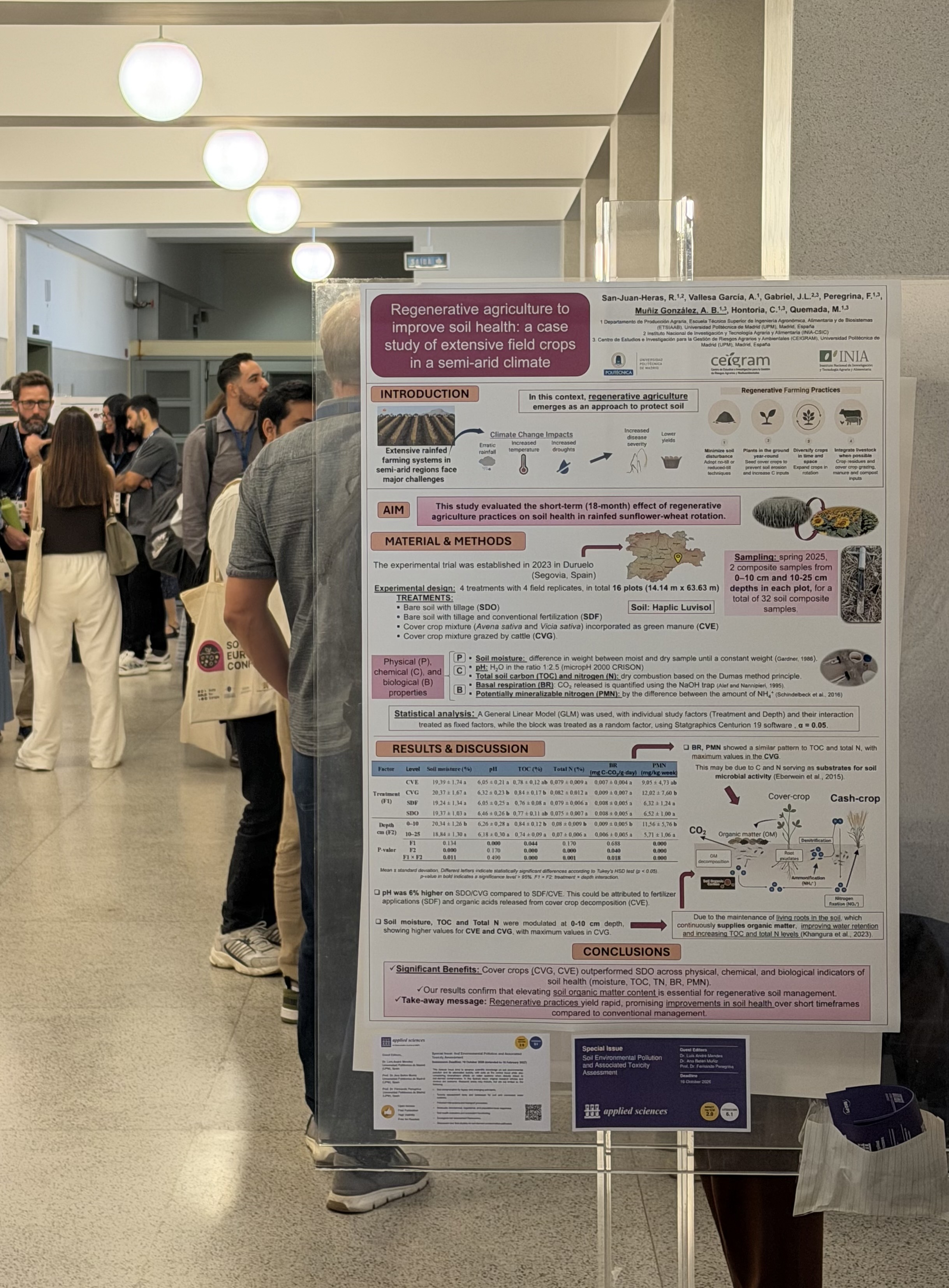
Alongside the presentations and workshops, three poster sessions gave researchers the chance to share their work in a more informal setting, with around 150 posters presented that sparked loads of discussions in the hallways of the University of Coimbra.
What should the next steps be?
Make the measurement usable. The assessment tools now exist in abundance. Harmonising them, publishing them under FAIR principles and connecting them to the EU Soil Observatory is what turns them into monitoring capacity for the Soil Monitoring and Resilience Directive.
Close the knowledge exchange gap. A European Court of Auditors report on EIP-AGRI, discussed at length in Coimbra, found that projects actively involving practitioners succeed more often, yet dissemination remains largely untapped. Operational Groups and Living Labs, born of different policy frameworks but united by the Multi-Actor Approach, are where that gap gets closed.
Extend responsibility beyond Europe's borders. Operationalising footprint reduction is what turns a domestic soil agenda into a globally coherent one.
Track what happens next. The KPI framework piloted in Coimbra exists precisely so that this conference, and the projects represented at it, can eventually answer the question they asked themselves.
Thank you to everyone who participated!
The Soils for Europe Conference was made possible by everyone who presented, moderated, facilitated, performed, and filled the rooms. Our thanks go to the co-organising partners, to the Mission Soil projects who brought five years of results to the event, and to the University of Coimbra for being such a great host.
You can watch the recording from the morning on 7 September on SOLO’s YouTube channel.